theFASHIONtamer Where Style Meets Space, Effortlessly
 20 Creative School Garden Concepts to Inspire and Educate Students
School gardens transcend mere greenery; they serve as dynamic, interactive environments that ignite curiosity, nurture creativity, and impart essential knowledge about ecology, sustainability, and collaboration. Whether you are a teacher aiming to ignite a passion for science or a parent seeking to deepen children’s bond with nature, these gardens provide limitless opportunities. From establishing a haven for pollinators to crafting a tranquil peace garden, these outdoor classrooms revolutionize how students connect with their surroundings. Each garden concept offers a distinctive blend of experiential learning, turning every plant, insect, and seasonal change into a valuable educational moment. Let’s explore 20 innovative school garden ideas designed to captivate young minds and enrich their learning journey!
1. Pollinator Haven: Supporting Vital Ecosystems
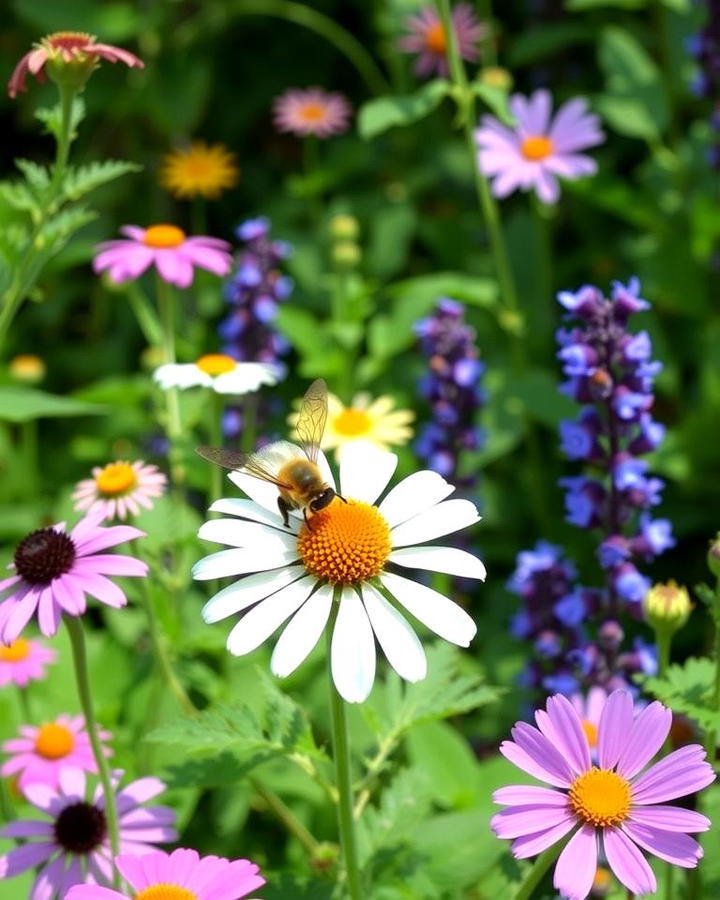
Creating a garden dedicated to pollinators invites bees, butterflies, and other beneficial insects to thrive on school grounds. By planting native, nectar-rich flowers, this garden not only beautifies the area but also educates students on the crucial role these creatures play in sustaining ecosystems. Native plants reduce upkeep and bolster local wildlife populations. Students gain firsthand experience observing pollinator behaviors, fostering ecological literacy and environmental responsibility. This living laboratory seamlessly integrates biology, art, and conservation principles.
2. Engaging the Senses: The Sensory Garden
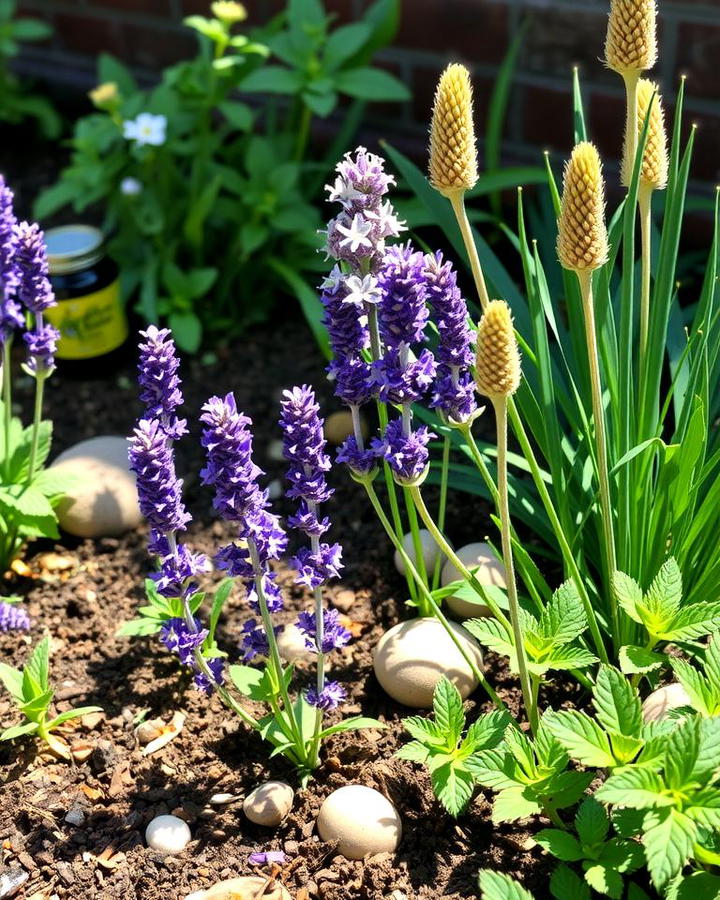
A sensory garden stimulates multiple senses-touch, smell, sight, and sound-through carefully selected plants like lavender, mint, and lamb’s ear. This garden is especially beneficial for young learners and children with special needs, offering a soothing yet stimulating environment. Beyond promoting mindfulness, it encourages exploration and curiosity. Sensory gardens create vibrant, interactive spaces that connect students emotionally and physically to the natural world, enhancing well-being and learning.
3. Growing Food and Knowledge: The Edible Garden
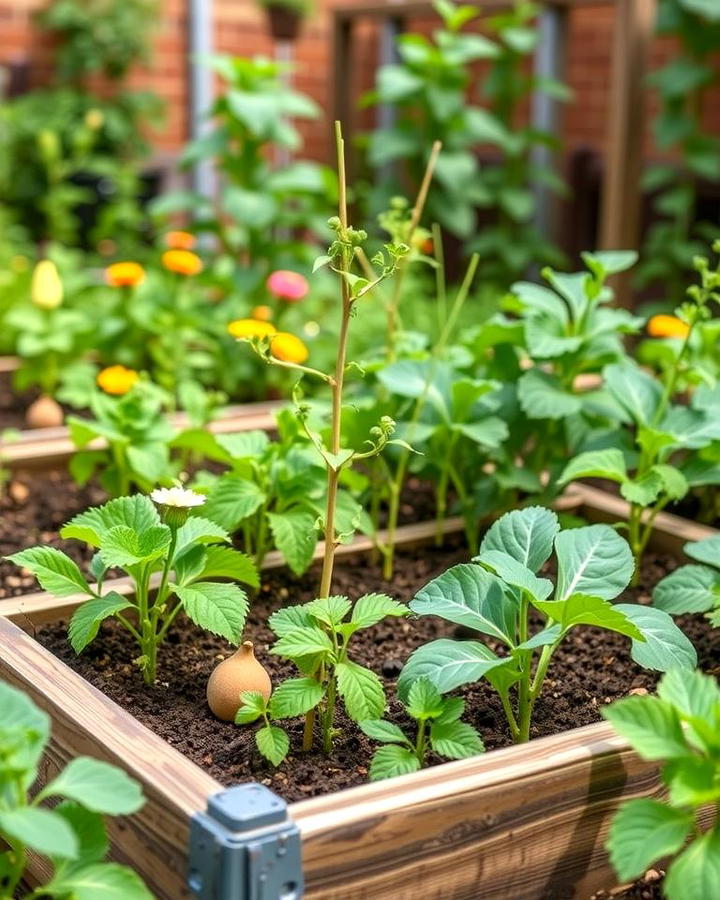
An edible garden provides a hands-on approach to understanding food origins and the importance of nutrition. Cultivating vegetables, fruits, and herbs allows students to witness the full growth cycle-from seed to harvest-deepening their appreciation for fresh produce. This garden fosters teamwork and responsibility, as students care for their crops. Incorporating the harvest into school meals or community sharing programs adds a practical, rewarding dimension to the experience.
4. Butterfly Sanctuary: Witnessing Nature’s Transformation
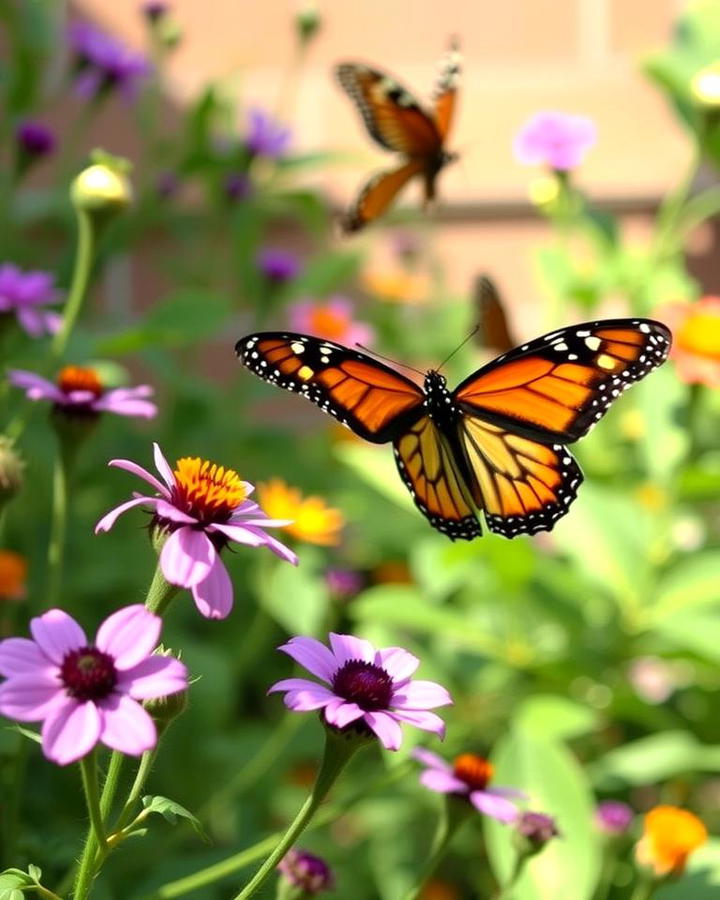
Designing a butterfly habitat introduces vibrant colors and delicate life cycles to the schoolyard. By planting nectar sources and host plants for caterpillars, students can observe metamorphosis firsthand. This garden supports biodiversity and teaches conservation science. It also offers a peaceful retreat for reflection. Engaging students with butterfly-themed projects deepens their understanding of these enchanting insects and their ecological importance.
5. Maximizing Space: Vertical Gardens
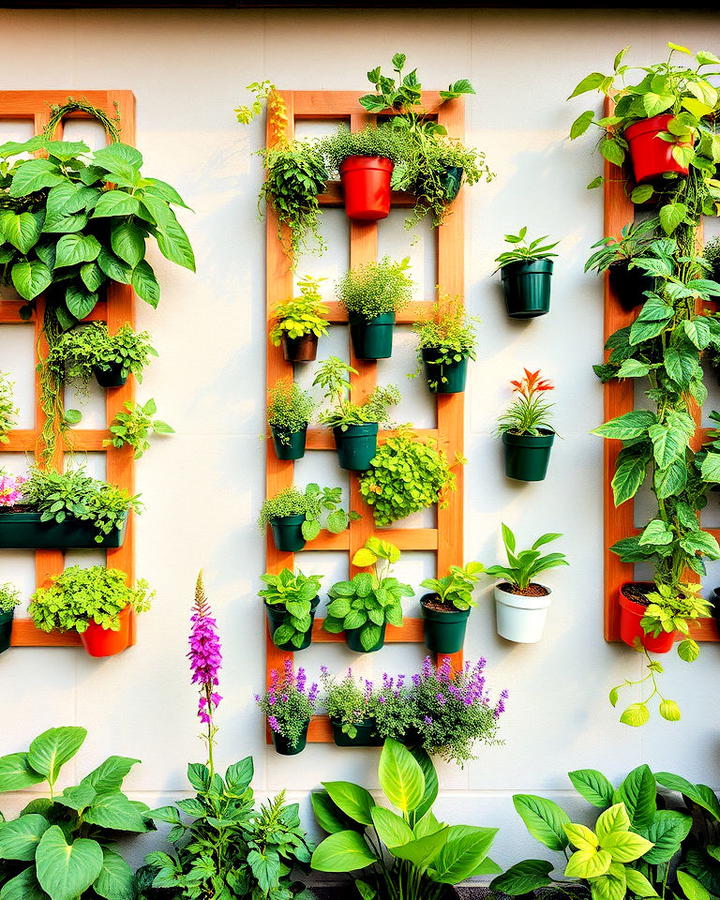
For schools with limited ground area, vertical gardens provide an innovative solution. Utilizing walls, trellises, or hanging planters, students can cultivate herbs, small vegetables, or flowers upward, optimizing space. This approach introduces concepts of urban agriculture and sustainability. Beyond functionality, vertical gardens enhance the visual appeal of school grounds, transforming unused spaces into lush, inspiring green walls.
6. Celebrating Local Flora: Native Plant Gardens
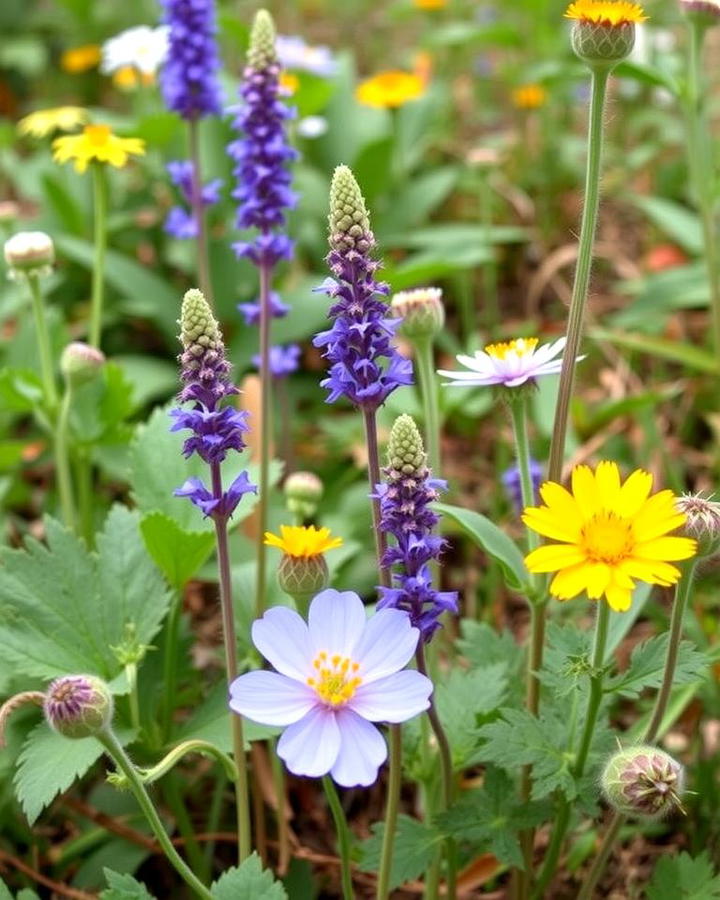
Native plant gardens emphasize the preservation of regional biodiversity. Using plants adapted to local climate and soil reduces water consumption and maintenance, making these gardens eco-friendly and cost-effective. They attract indigenous wildlife, offering students a window into local ecosystems. This garden type teaches environmental stewardship and the significance of protecting native species, instilling pride in the surrounding natural heritage.
7. The Herb Spiral: Compact and Efficient Gardening
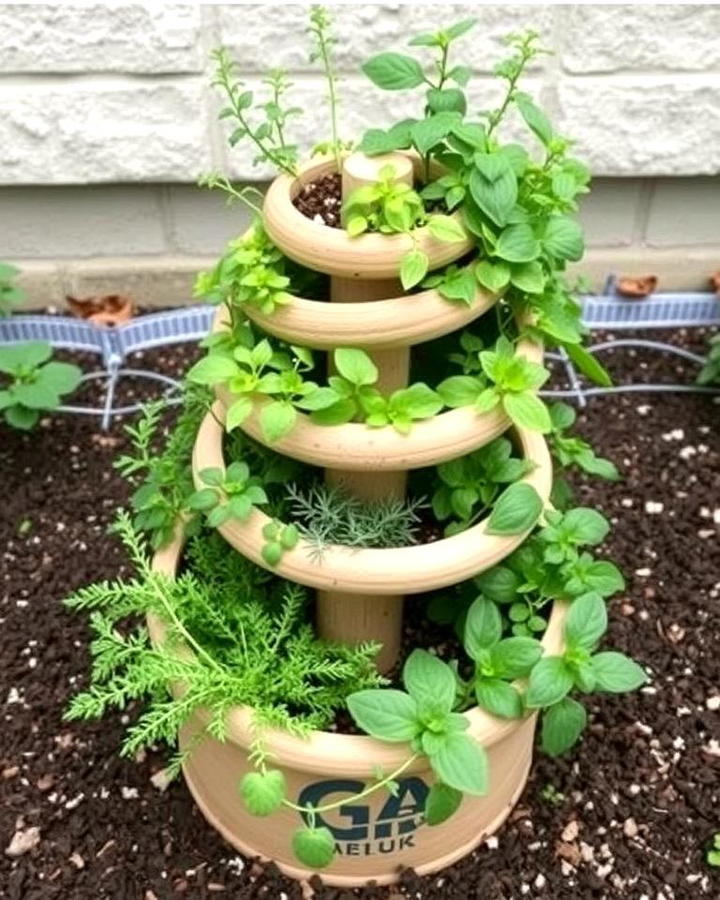
The herb spiral is a visually appealing, space-saving design that accommodates various herbs with differing water and sunlight needs, such as rosemary, basil, and thyme. This permaculture-inspired structure introduces students to sustainable gardening techniques. The herbs can be utilized in cooking classes or school meals, linking garden learning to everyday life. The spiral’s artistic form also adds charm to the school environment.
8. Harnessing Rainwater: The Rain Garden
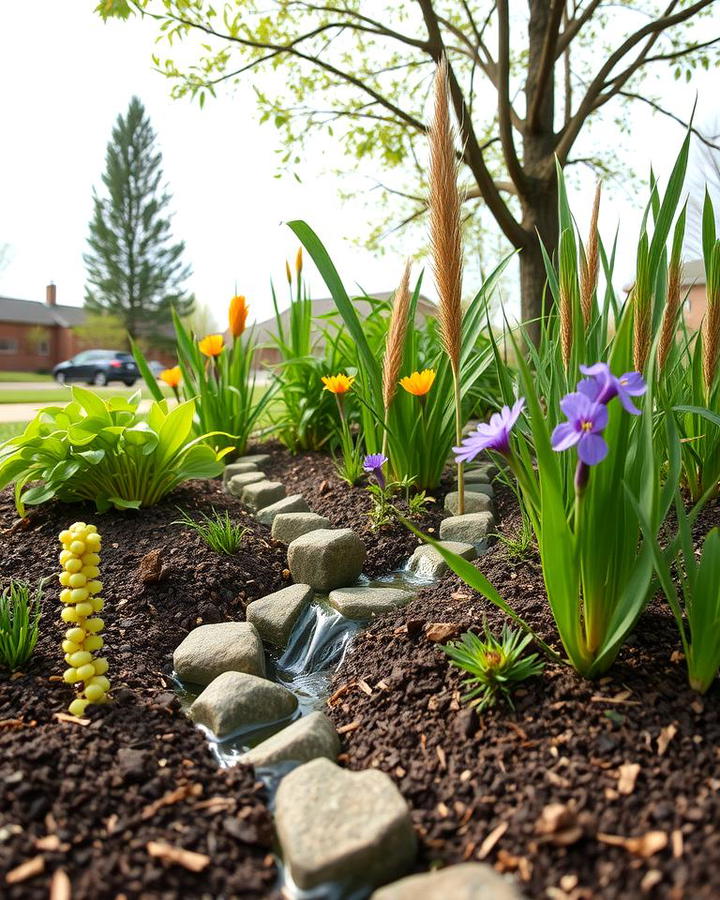
Rain gardens capture and filter stormwater runoff, preventing erosion and water pollution. Planted with deep-rooted species like sedges and wildflowers, they teach students about hydrology, soil absorption, and sustainable landscaping. These gardens mitigate flooding and enhance local water quality, combining ecological function with natural beauty. They serve as practical outdoor classrooms for environmental science lessons.
9. Composting Station: Closing the Nutrient Loop
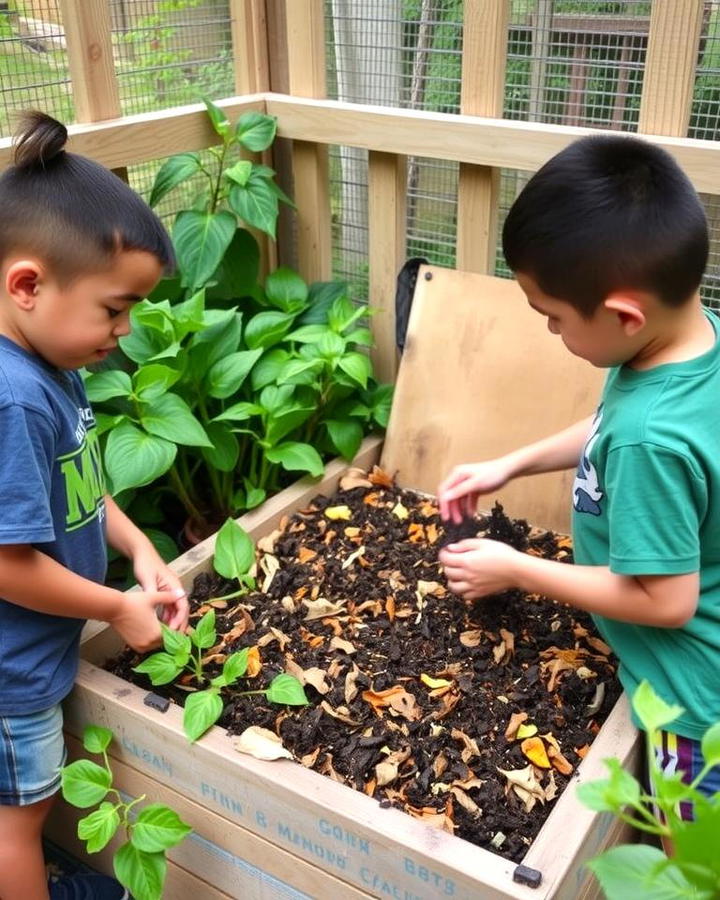
A composting corner integrates organic waste recycling into the garden ecosystem. Students learn decomposition processes by turning food scraps and yard waste into nutrient-rich compost. This activity promotes soil health, sustainability, and waste reduction. The resulting compost enriches garden beds, completing a natural cycle of growth and renewal. Composting also instills environmental responsibility and resourcefulness.
10. Learning in Nature: The Outdoor Classroom
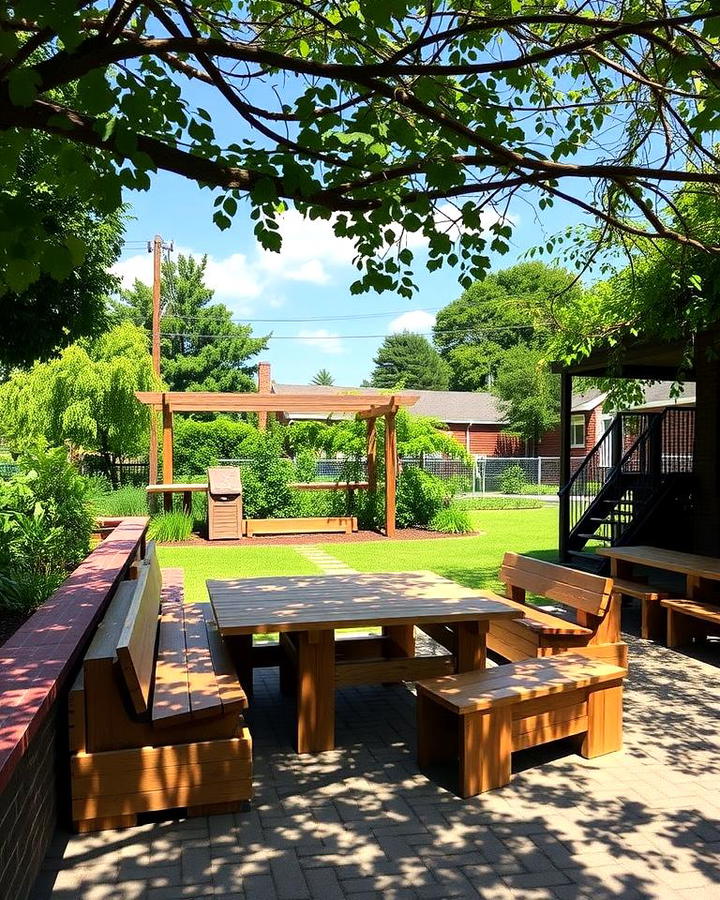
Transforming a garden area into an outdoor classroom offers a refreshing alternative to indoor learning. Equipped with seating and surrounded by greenery, this space supports lessons, discussions, and creative projects. Exposure to fresh air and natural light can boost concentration and mood. Teachers can seamlessly incorporate nature into curricula, from science experiments to art activities, fostering an inspiring educational atmosphere.
11. Wildlife Refuge: Encouraging Biodiversity
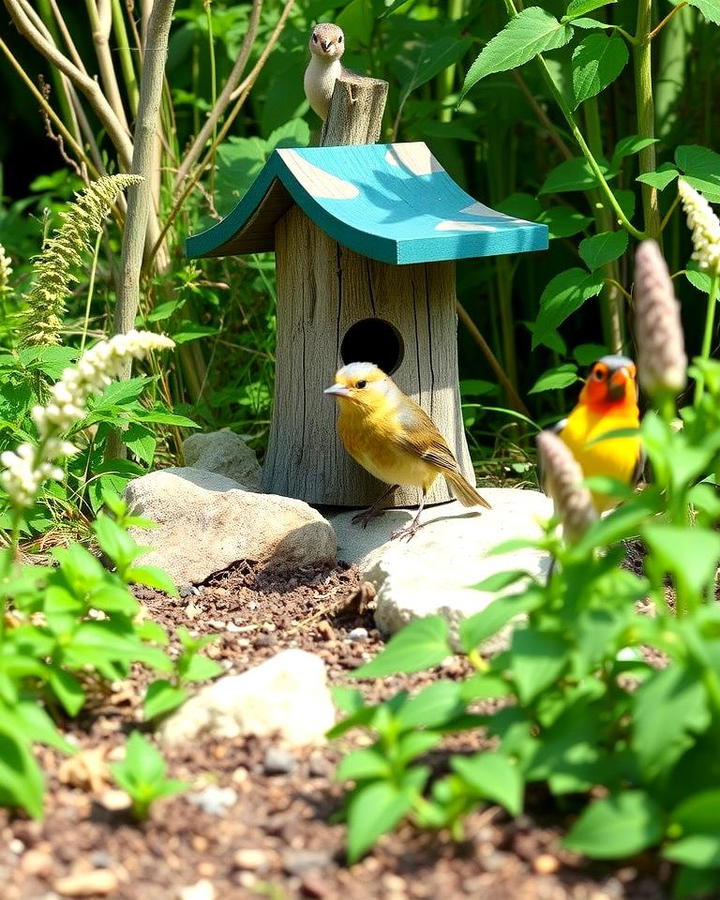
Establishing a wildlife habitat invites birds, small mammals, and beneficial insects to the school environment. Providing birdhouses, water sources, and native plants supports local fauna. Students observe animal behaviors and learn about coexistence with nature. This garden nurtures a connection to wildlife and promotes biodiversity awareness, encouraging conservation-minded attitudes.
12. Themed Gardens: Merging Imagination and Learning
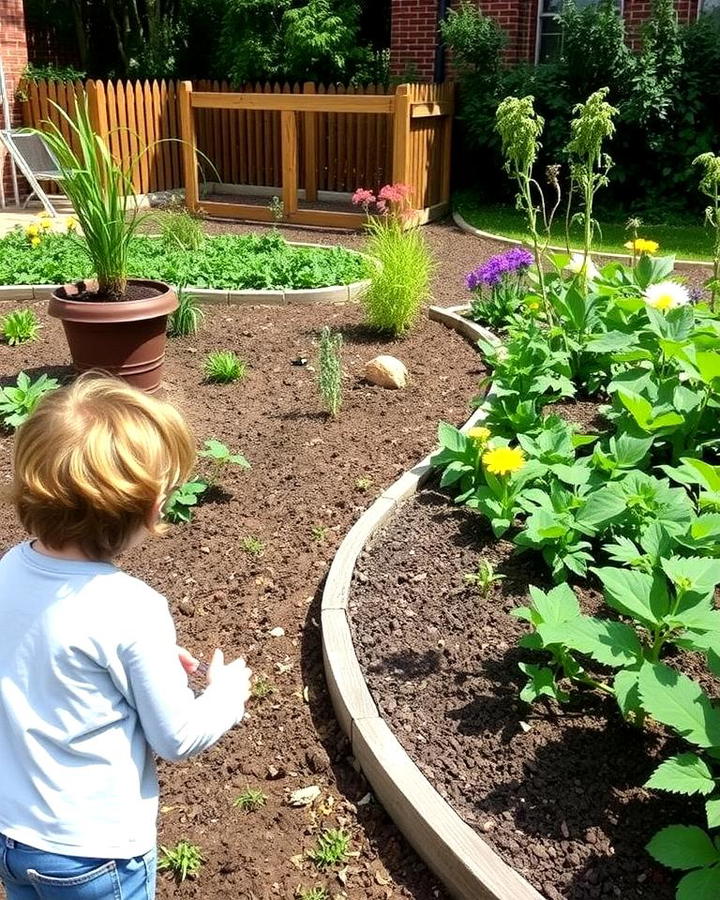
Themed gardens add a layer of creativity and focus to outdoor spaces. Themes might include literary inspirations, cultural traditions, or historical eras. This approach allows students to explore specific subjects through gardening, linking lessons in literature, history, or art with hands-on activities. Involving students in design and upkeep fosters collaboration and pride in their unique garden.
13. Hydroponic Systems: Soil-Free Cultivation
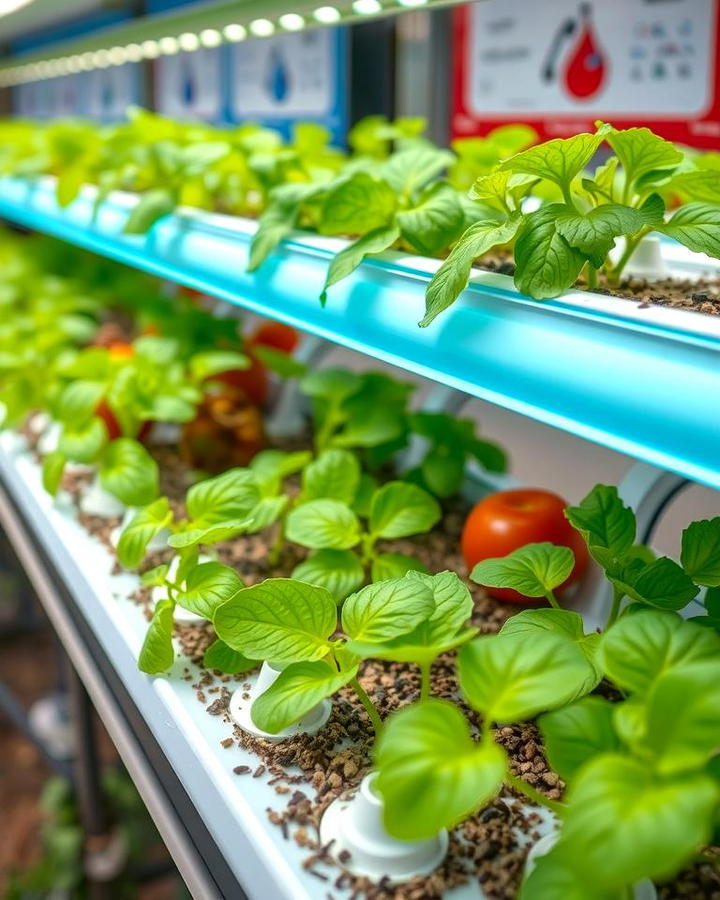
Hydroponic gardens introduce students to modern, soil-less growing methods where plants like lettuce and tomatoes thrive in nutrient-enriched water. Ideal for limited spaces or poor soil conditions, hydroponics teaches water cycles, plant biology, and sustainable agriculture. This futuristic technique sparks innovation and curiosity, preparing students for emerging agricultural technologies.
14. Tranquil Spaces: The Peace Garden
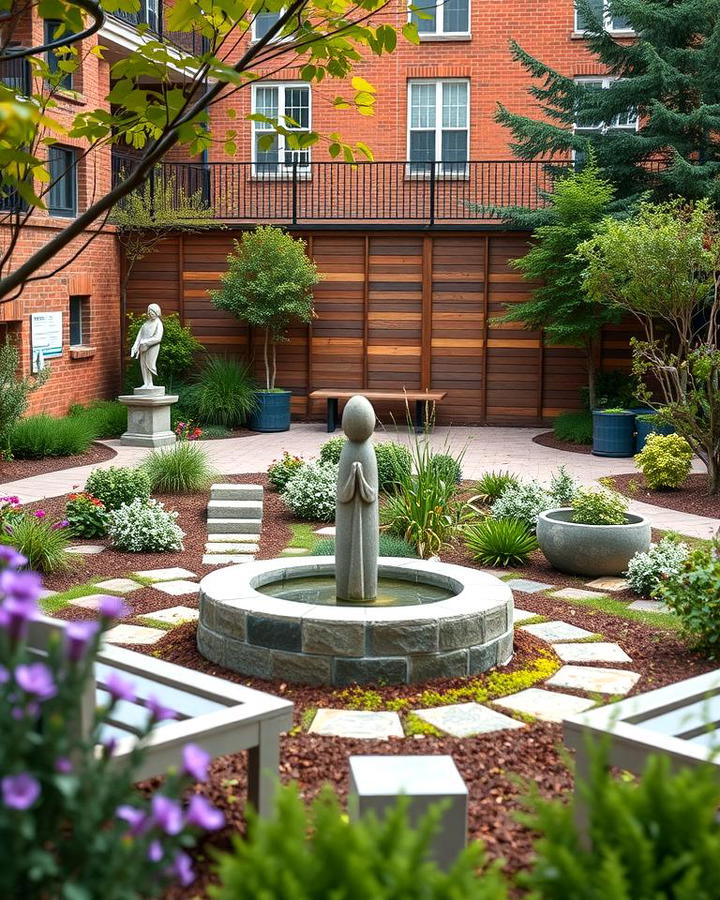
A peace garden offers a quiet sanctuary for relaxation, meditation, and reflection. Incorporating calming elements such as benches, water features, and soothing plants creates a serene atmosphere. This garden supports mental health and mindfulness, providing a refuge from school-day stresses. It can also serve as a venue for restorative practices, promoting empathy and conflict resolution.
15. Vegetable Patch: Cultivating Food and Responsibility
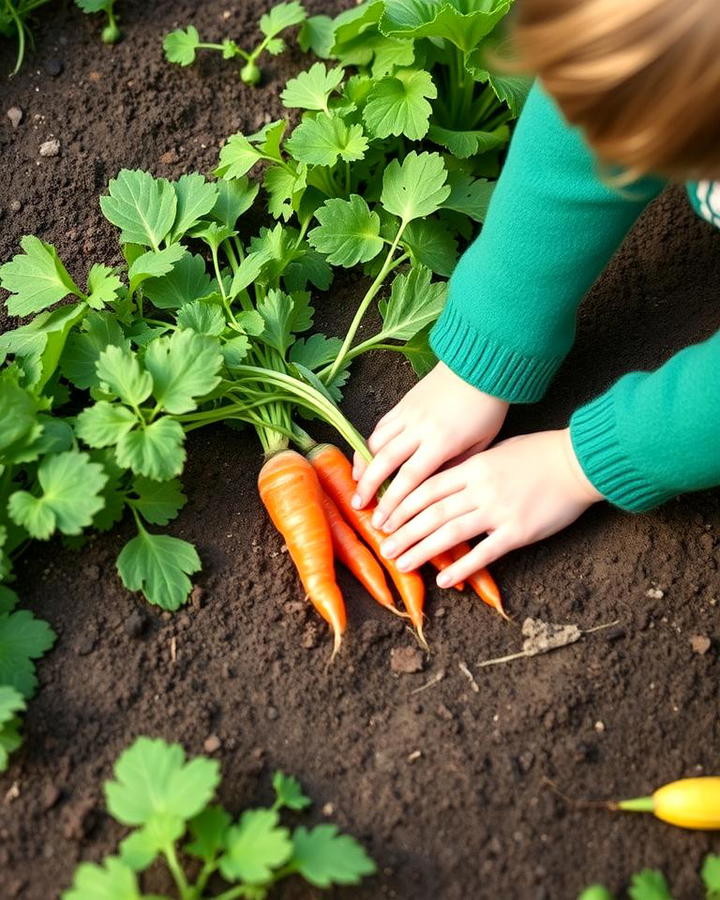
A vegetable patch offers practical experience in growing food, featuring easy-to-grow crops like carrots, beans, and leafy greens. Students learn about plant development, nutrition, and sustainable farming. Harvesting encourages healthy eating and a sense of achievement. Produce can be used in school meals or donated, strengthening community ties and food awareness.
16. Xeriscape Rock Garden: Beauty Meets Conservation
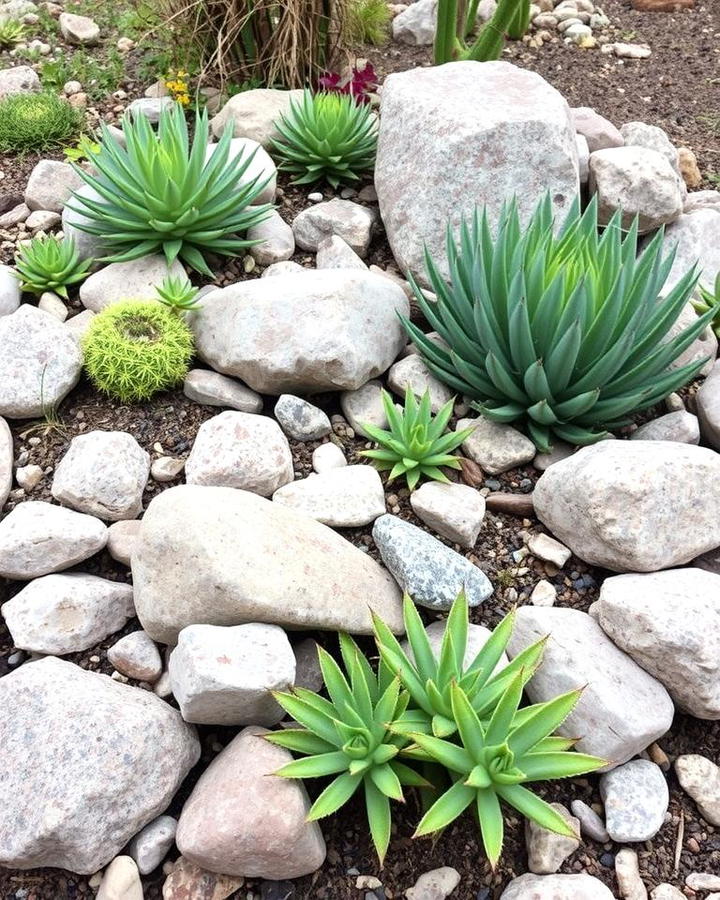
Rock gardens combine aesthetic appeal with drought-resistant landscaping. Featuring succulents, cacti, and stones, they are ideal for arid climates. Students explore xeriscaping, geology, and plant adaptations. Designing and arranging the garden encourages creativity and teamwork. This low-maintenance garden diversifies outdoor learning environments.
17. Aquatic Oasis: The Water Garden
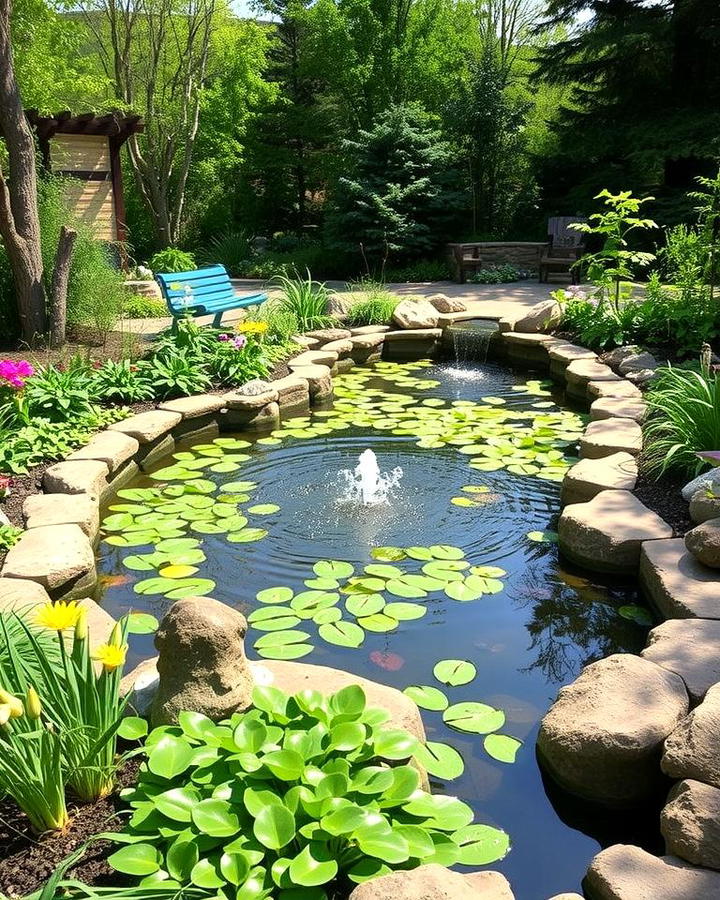
Water gardens introduce aquatic plants and tranquil water features like ponds or fountains. They create peaceful spaces while supporting diverse ecosystems. Students study aquatic biology, water conservation, and ecosystem dynamics. This garden serves as a calming retreat and a vibrant educational resource.
18. Year-Round Learning: The Seasonal Garden
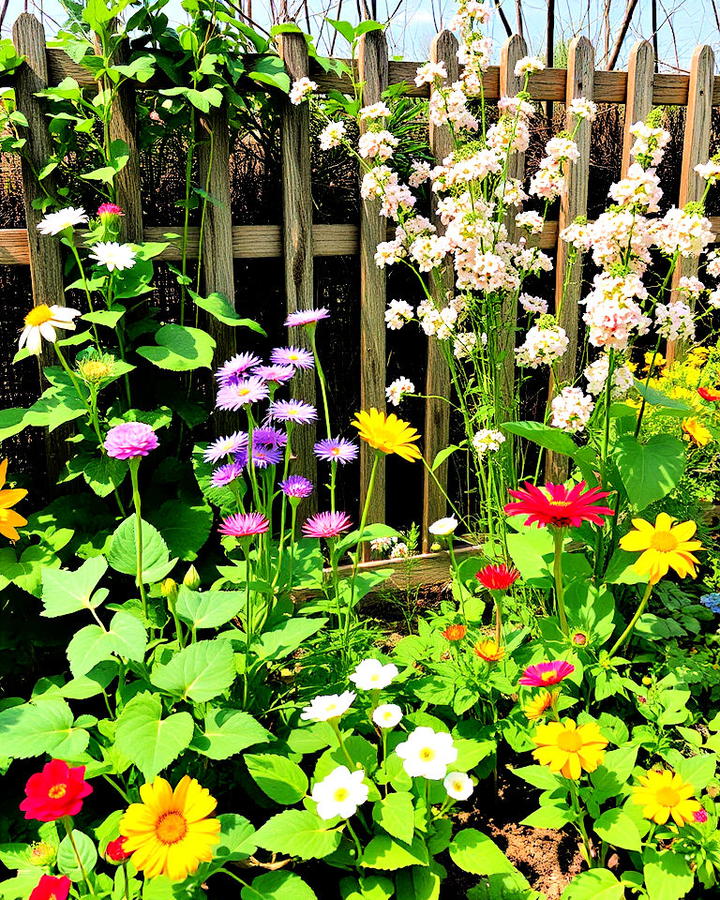
Seasonal gardens showcase the changing beauty of nature throughout the year. By planting species suited to different seasons, students observe natural cycles and learn about climate and plant biology. This garden encourages continuous engagement, offering fresh discoveries with each season and reinforcing nature’s rhythms.
19. Controlled Growth: The Greenhouse Project
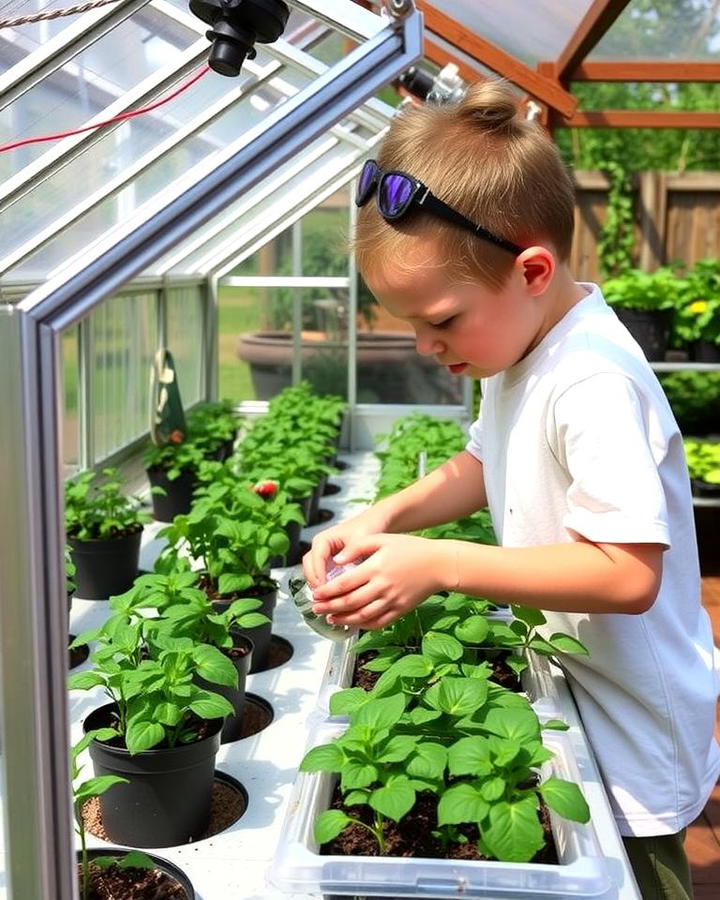
Greenhouses extend growing seasons and provide controlled environments for plant cultivation. Students learn about temperature regulation, humidity, and light management. This project supports year-round gardening and experimentation with exotic plants, integrating science, technology, and sustainability education.
20. Creative Expression: The Art Garden
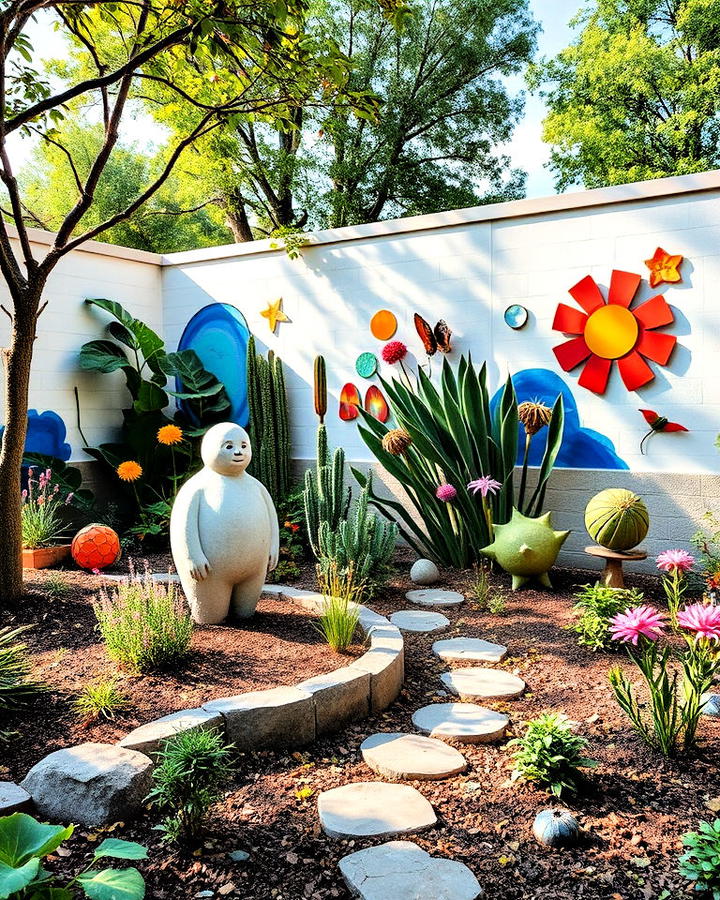
An art garden merges creativity with nature, featuring sculptures, murals, and student artwork alongside plants. This space encourages self-expression and enhances the school’s visual appeal. Nature-inspired art projects and outdoor exhibitions make this garden a versatile hub for artistic and environmental education.
Final Thoughts
School gardens are invaluable for sparking curiosity, promoting environmental care, and delivering immersive educational experiences. Whether it’s a lively pollinator haven, a peaceful meditation spot, or a cutting-edge hydroponic system, each garden concept offers a unique way to connect students with nature and learning. By incorporating these 20 creative school garden ideas into your campus, you cultivate not only plants but also a lifelong respect for the environment and inspire future generations of eco-conscious leaders.
Explore gardening tools and supplies to bring these ideas to life on Amazon, or find native plants and seeds at Amazon to support your local ecosystem. For innovative gardening setups, check out hydroponic garden kits on Amazon.